Resources
Cancer Research Antibodies for Western Blot: Why Oncology Studies Demand Higher Validation
Tumor Biology Is Not “Normal” Biology
In standard cell systems, proteins behavepredictably.
In cancer cells, they often don’t.
You may be dealing with:
Mutated tumor suppressors
Activated oncogenes
Truncated protein variants
Cleavage fragments
Hyperphosphorylated signaling proteins
Extremely low or unstable expression levels
Each of these biological changes affectshow an antibody performs on a Western blot membrane.
An antibody that works perfectly in anormal cell lysate may behave very differently in a tumor model.
Mutations Can Change AntibodyRecognition
Take p53 as an example.
In many cancers, p53 is mutated. Mutationsmay:
Alter protein conformation
Change epitope exposure
Affect protein stability
If a Western blot antibody was developedagainst a wild-type epitope, it may bind inefficiently to mutated forms — orgenerate unexpected bands.
When selecting cancer research antibodiesfor Western blot, it’s important to check:
Immunogen sequence
Epitope location
Validation in cancer-derived cell lines
In oncology studies, “works in WB” is notenough. It should work in relevant tumor models.
Cancer Proteins Often Exist in MultipleForms
In cancer experiments, you rarely see justone clean band.
Proteins may appear as:
Cleaved fragments (e.g., cleaved PARP ~89 kDa)
Shortened receptor variants
Alternative splice isoforms
Degradation products
If the antibody targets a domain that isabsent in a truncated form, you may completely miss biologically meaningfulchanges.
This is especially important when studying:
Apoptosis markers
Drug-induced protein cleavage
Receptor signaling alterations
For oncology Western blot antibodies, thetarget region and expected band size should always be reviewed before ordering.
Phospho-Antibodies Are Even MoreDemanding
Many cancer studies focus on pathwayactivation rather than total protein expression.
Pathways such as:
PI3K / AKT / mTOR
MAPK / ERK
JAK / STAT
are regulated by phosphorylation.
Phospho-specific antibodies must be:
Site-specific
Low in background
Free of cross-reactivity
Validated against total protein controls
In drug response studies, weakphospho-antibody validation can easily lead to incorrect conclusions aboutpathway inhibition.
Tumor Samples Are InherentlyHeterogeneous
Clinical tumor tissues and xenograftsamples are not uniform.
They may contain:
Stromal cells
Necrotic regions
Mixed tumor populations
Uneven protein expression
This variability increases the likelihoodof:
Weak bands
Background noise
Slight molecular weight shifts
Before questioning antibody quality, it’salways worth reviewing technique.
If needed, revisit:
https://www.biobool.com/index.php?g=Contents&m=Index&a=shows&catid=75&id=369
If signal is absent or inconsistent afterconfirming protocol, see:
https://www.biobool.com/index.php?g=Contents&m=Index&a=shows&catid=76&id=373
In oncology research, separating technicalerror from antibody limitation is critical.
What Antibody Failure Looks Like inCancer Research
When an antibody underperforms in a routineexperiment, it’s inconvenient.
In cancer research, it’s more serious.
You might be working with:
Months of engineered cell lines
Expensive drug treatments
Xenograft mouse models
Limited patient-derived samples
A poorly validated Western blot antibodycan result in:
Repeated experiments
Wasted samples
Delayed publications
Questioned reproducibility
In oncology labs, confidence in yourantibody directly affects confidence in your data.
Example: False Phosphorylation Signal
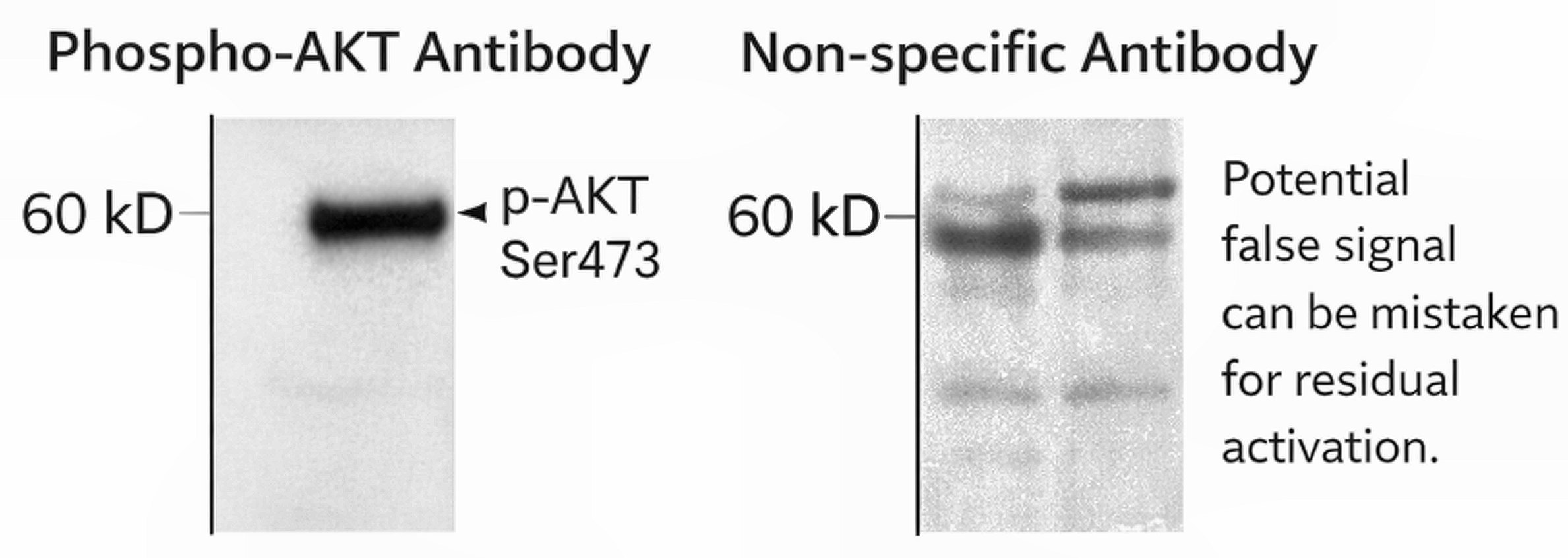
In a PI3K/AKT inhibitor study, anon-specific phospho-AKT antibody may produce faint background bands.
Those bands can easily be interpreted asresidual activation.
A drug might be judged ineffective — whenthe real issue is antibody specificity.
Example: Misleading Apoptosis Detection
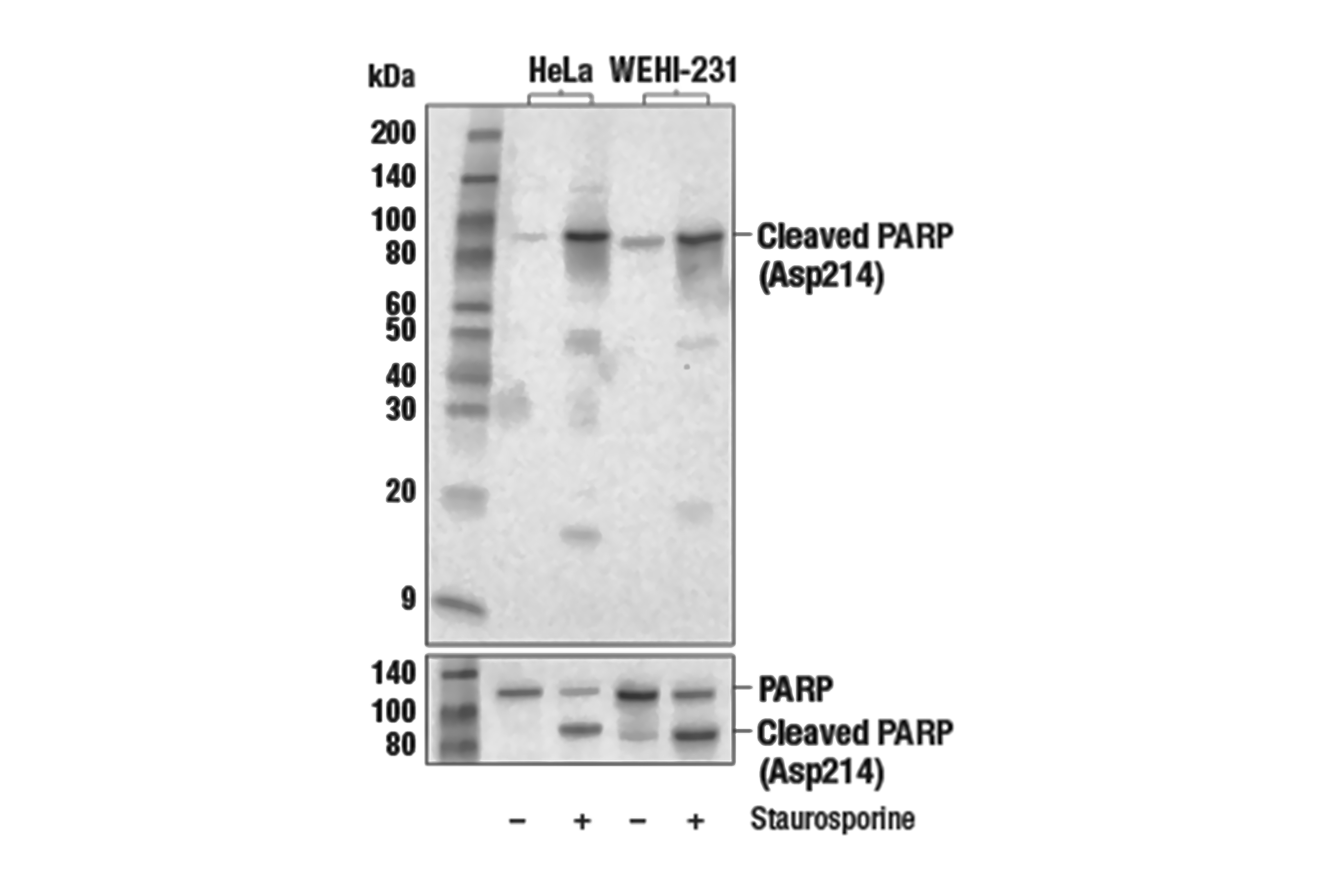
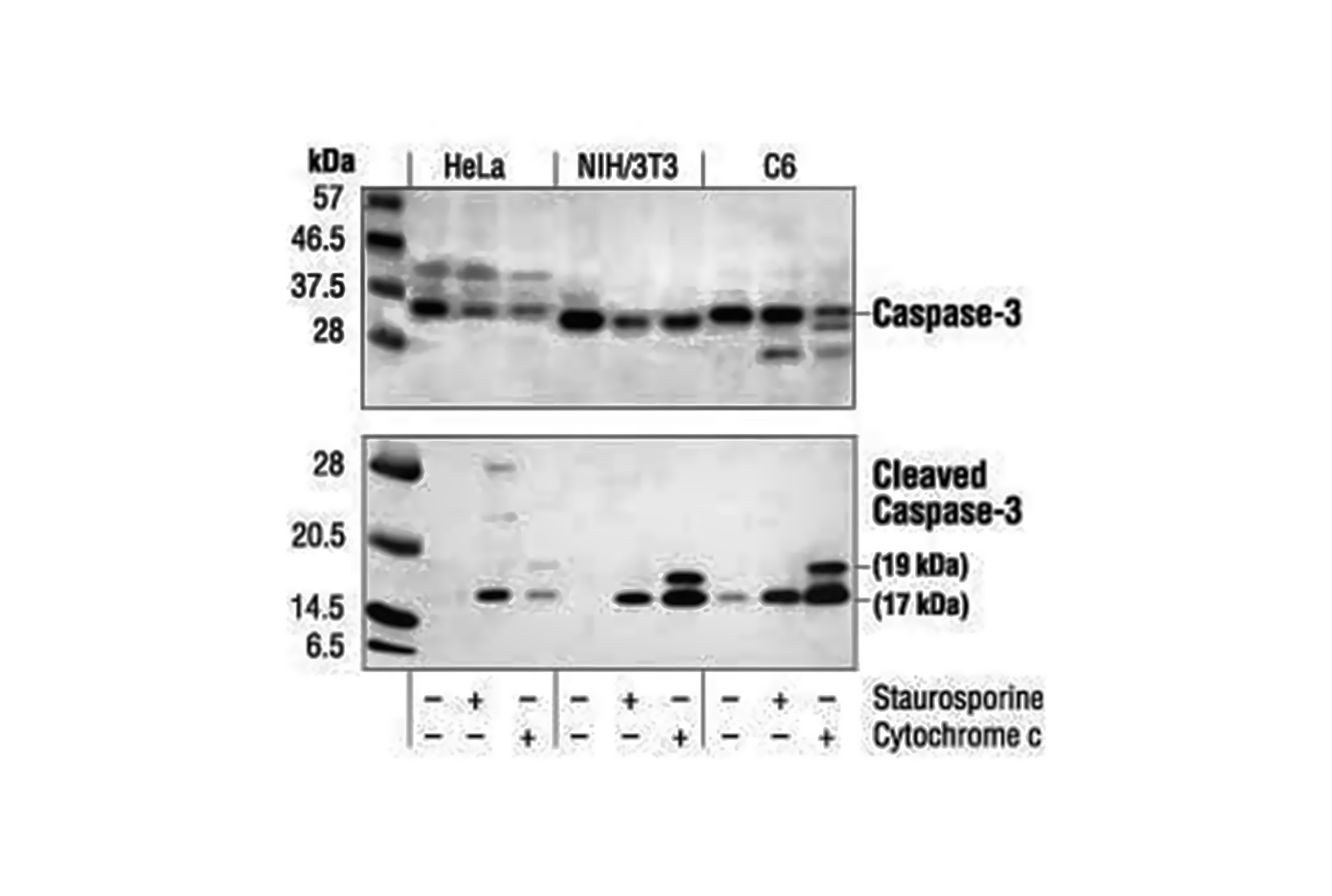
If an antibody recognizes degraded proteinsor multiple non-specific fragments, it becomes difficult to determine whetherapoptosis truly occurred.
In cancer drug development, thatdistinction matters.
What Higher Validation Should Include
For cancer research antibodies used inWestern blot, validation should ideally demonstrate:
Clear single-band specificity
Correct molecular weight confirmation
Validation in tumor-derived cell lines
Knockdown or knockout data (if available)
Phospho-site specificity (for signaling studies)
Consistent performance across batches
In oncology, antibody choice is part ofexperimental design — not just procurement.
From a Practical Lab Perspective
If you’ve repeated a Western blot severaltimes and still questioned the result, you understand the frustration.
Cancer biology is messy. Proteins mutate.Domains disappear. Signaling fluctuates.
Western blot can still provide reliableanswers — but only when the antibody has been validated with that biologicalcomplexity in mind.
A strong protocol helps.
A well-validated antibody makes the difference between confidence and doubt.
And in cancer research, that difference isnot small.